Vacon Drives vs Traditional AC Drives Which is Right for You
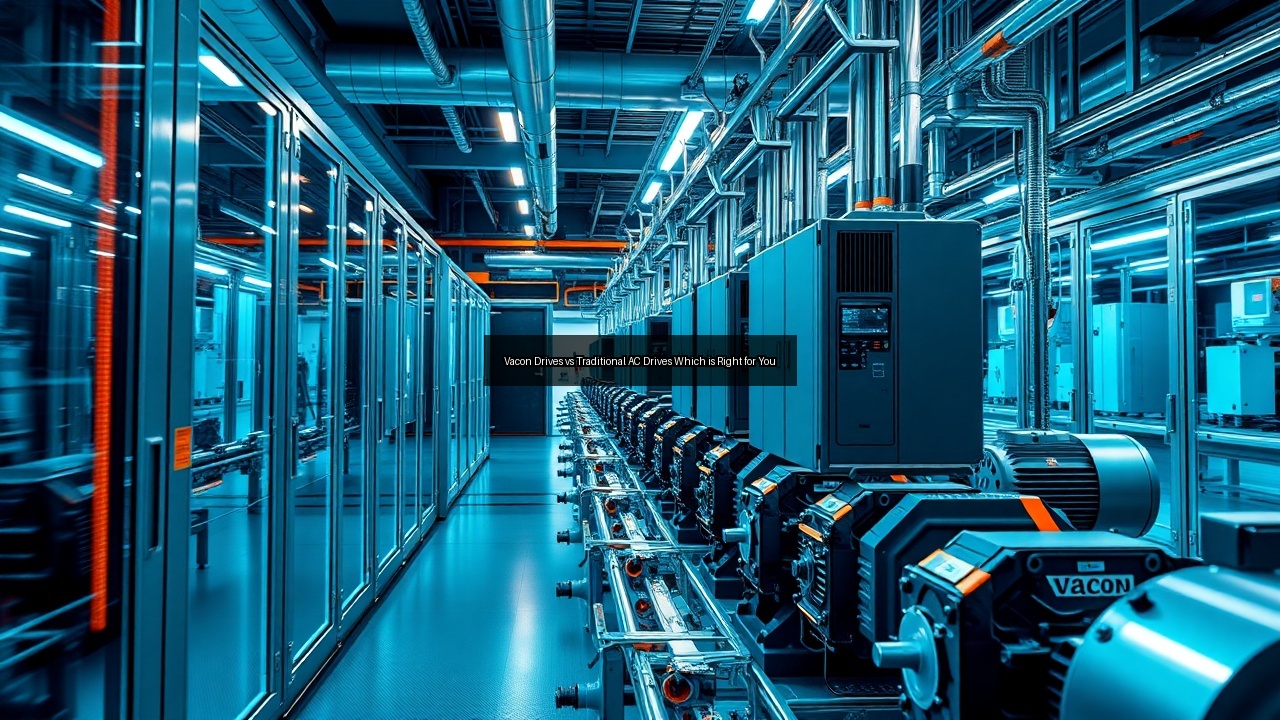
Understanding Vacon Drives and Traditional AC Drives
Overview of Vacon Drives
Vacon drives represent a significant advancement in the field of variable frequency drives (VFDs). Designed for efficiency and performance, Vacon drives excel in controlling electric motors by varying the frequency and voltage supplied to them. This innovative technology enables precise speed control, which is essential for optimizing system performance in various applications, particularly in HVAC systems. Vacon drives come equipped with user-friendly interfaces, allowing for easy configuration and monitoring. Their robust design ensures durability and reliability in demanding environments, making them a preferred choice for many industries. Whether for fans, pumps, or other electric motors, Vacon drives deliver versatility and efficiency that traditional systems often struggle to match.
What Are Traditional AC Drives?
Traditional AC drives, commonly referred to as AC drives, have served the industry for decades. These drives control the speed of electric motors by adjusting the frequency of the power supplied to them. While they effectively manage motor functions, traditional AC drives often lack the advanced features and efficiency of modern alternatives like Vacon drives. Typically, traditional AC drives operate using older technology, which can lead to higher energy consumption and less precise control over motor speed. This can result in increased operational costs over time. Industries employing traditional AC drives often find themselves facing limitations in flexibility and responsiveness, especially as demands for energy efficiency and operational control continue to rise.
Key Differences Between Vacon and Traditional AC Drives
The differences between Vacon drives and traditional AC drives are considerable. First, Vacon drives utilize advanced digital technology that allows for enhanced energy efficiency and operational flexibility. In contrast, traditional AC drives often rely on analog systems, which can limit their performance. Second, Vacon drives offer superior control features, enabling more precise adjustments to motor speed and torque. This leads to better performance in applications such as HVAC, where maintaining optimal conditions is crucial. Furthermore, Vacon drives are designed with user-friendly interfaces, making them easier to set up and operate compared to the often complex configurations of traditional AC drives. Overall, these differences highlight why many industries are shifting towards Vacon drives as a more effective solution for controlling electric motors.
Advantages of Vacon Drives
Energy Efficiency and Cost Savings
Energy efficiency stands out as one of the primary advantages of Vacon drives. By adjusting the frequency of the voltage supplied to electric motors, Vacon drives optimize energy consumption, resulting in significant cost savings. In applications like HVAC, where energy bills can be substantial, the ability to fine-tune motor speeds translates into lower operational costs and reduced carbon footprints. Moreover, Vacon drives often include features such as energy-saving modes and automatic adjustments based on load requirements, further enhancing efficiency. Industries leveraging Vacon drives can expect not only immediate financial benefits but also long-term savings through decreased energy usage and maintenance costs. This commitment to efficiency makes Vacon drives an attractive investment for businesses aiming to enhance their operational sustainability.
Enhanced Control for Electric Motors
Vacon drives provide unparalleled control over electric motors. The advanced technology integrated into these drives allows for precise modulation of motor speed and torque, enabling operators to tailor performance to specific needs. In industrial applications, this level of control can lead to improved product quality and reduced wear on mechanical components. Vacon drives also support various control methods, including open-loop and closed-loop control, allowing for flexibility depending on the application. For instance, in HVAC systems, Vacon drives can adjust fan speeds based on real-time demand, enhancing comfort while minimizing energy use. This enhanced control not only boosts efficiency but also prolongs the lifespan of electric motors, reducing the frequency of repairs and replacements.
Applications in HVAC and Beyond
Vacon drives find extensive applications in HVAC systems, where precise control of airflow actuators and temperature is essential for comfort and efficiency. By managing fan and pump speeds, Vacon drives help maintain optimal conditions while minimizing energy consumption. Beyond HVAC, these drives are employed in various industries, including manufacturing, water treatment, and agriculture. They control processes such as conveyor belts, mixers, and irrigation systems, showcasing their versatility. The adaptability of Vacon drives to different applications highlights their capability to meet the diverse needs of various sectors. As industries continue to evolve, the demand for reliable and efficient motor control solutions will only increase, solidifying the role of Vacon drives in modern operational strategies.
Choosing the Right Drive for Your Needs
Factors to Consider When Selecting a Drive
Choosing the right drive for your application involves several critical factors. First, consider the type of motor you are using. Different motors may require specific types of drives to operate efficiently. Next, evaluate the operational environment. For example, if the drive will be exposed to harsh conditions, look for models designed for durability and resilience. Energy efficiency is another crucial consideration, especially if reducing operational costs is a priority. Assess the features offered by the drive, such as control modes, programming options, and user interfaces. Finally, consider the level of support and service provided by the manufacturer. Selecting a drive that aligns with both your operational requirements and long-term goals will ensure optimal performance and cost-effectiveness.
Vacon Drives vs. Traditional AC Drives: A Comparative Analysis
When comparing Vacon drives to traditional AC drives, several distinct advantages emerge. Vacon drives utilize advanced digital technology, leading to enhanced performance and energy efficiency. Traditional AC drives often struggle with energy management, which can result in higher operational costs. Vacon drives offer superior control capabilities, allowing for precise adjustments to speed and torque, which is essential in dynamic environments like HVAC. Additionally, the user-friendly interfaces of Vacon drives simplify setup and operation, making them more accessible to technicians. While traditional AC drives may still have a place in certain applications, the advantages of Vacon drives in terms of adaptability, efficiency, and control make them a compelling choice for many organizations seeking to optimize their motor control systems.
Case Studies: Successful Implementations of Vacon Drives
Numerous industries have successfully implemented Vacon drives to enhance their operations. For instance, a leading HVAC manufacturer integrated Vacon drives into their systems, resulting in a 30% reduction in energy consumption and improved temperature control. Another case involved a water treatment facility that adopted Vacon drives for pump control. This transition not only optimized flow rates but also reduced maintenance costs significantly. In the manufacturing sector, a company utilized Vacon drives to control conveyor belts, leading to increased production efficiency and reduced downtime. These case studies illustrate the tangible benefits of Vacon drives across various applications, demonstrating their effectiveness in enhancing energy efficiency and operational performance.
Conclusion
Future Trends in Variable Frequency Drives
The future of variable frequency drives, including Vacon drives, looks promising. As industries increasingly focus on sustainability and energy efficiency, innovations will continue to emerge in drive technology. Enhanced connectivity, integration with IoT, and advanced data analytics will shape the next generation of Vacon actuators drives, allowing for smarter and more responsive motor control systems. The trend toward automation and smart systems will drive demand for drives that can adapt in real-time to changing conditions, ensuring optimal performance across diverse applications. As technology evolves, Vacon drives will likely remain at the forefront, offering solutions that align with the demands of modern industries.
Final Thoughts on Selecting the Right Drive
Selecting the right drive is crucial for optimizing operational efficiency and sustainability. Vacon drives offer numerous advantages over traditional AC drives, including enhanced energy efficiency, superior control, and versatility across various applications. When evaluating your options, consider your specific operational needs, budget constraints, and long-term goals. Investing in Vacon drives can lead to significant cost savings and improved system performance, making them a wise choice for organizations aiming to enhance their competitive edge. Ultimately, the decision will depend on a thorough analysis of your requirements and the potential benefits that Vacon drives can deliver.